Preparing your home to sell doesn’t automatically mean spending thousands of dollars on staging.
In fact, some of the most useful presentation improvements are relatively inexpensive.
The key is knowing what actually needs attention.
Before you buy new furniture, decor, or accessories, start with a simple exercise: take pictures of your home with your phone.
Photographs can reveal clutter, poor lighting, awkward furniture placement, and other distractions that are easy to overlook when you live in a space.
Once you’ve identified those issues, consider these ten budget-friendly staging ideas.
1. Refresh your throw pillows
If your sofa is in good condition but looks tired, coordinated throw pillows or pillow covers can help make the room feel more inviting.
Choose colors that complement the space and avoid overcrowding the furniture.
You may already own pillows that work perfectly well.
2. Use fresh, coordinated bathroom towels
Bathrooms are often small, which means details stand out.
Clean, coordinated towels can help the space feel more polished.
White is a simple option, but any color that complements the room can work.
Put away personal toiletries and keep countertops clear.
3. Replace a worn shower curtain
A stained or overly busy shower curtain can distract from the bathroom.
A simple fabric curtain is often an inexpensive improvement.
Before replacing it, check for issues such as deteriorating caulk, mildew, or moisture problems that need proper attention.
4. Improve your lighting
Make sure all bulbs work and that fixtures within the same space use consistent light colors.
Open blinds and curtains to take advantage of natural light.
Good lighting helps buyers see the room clearly and can improve the quality of listing photographs.
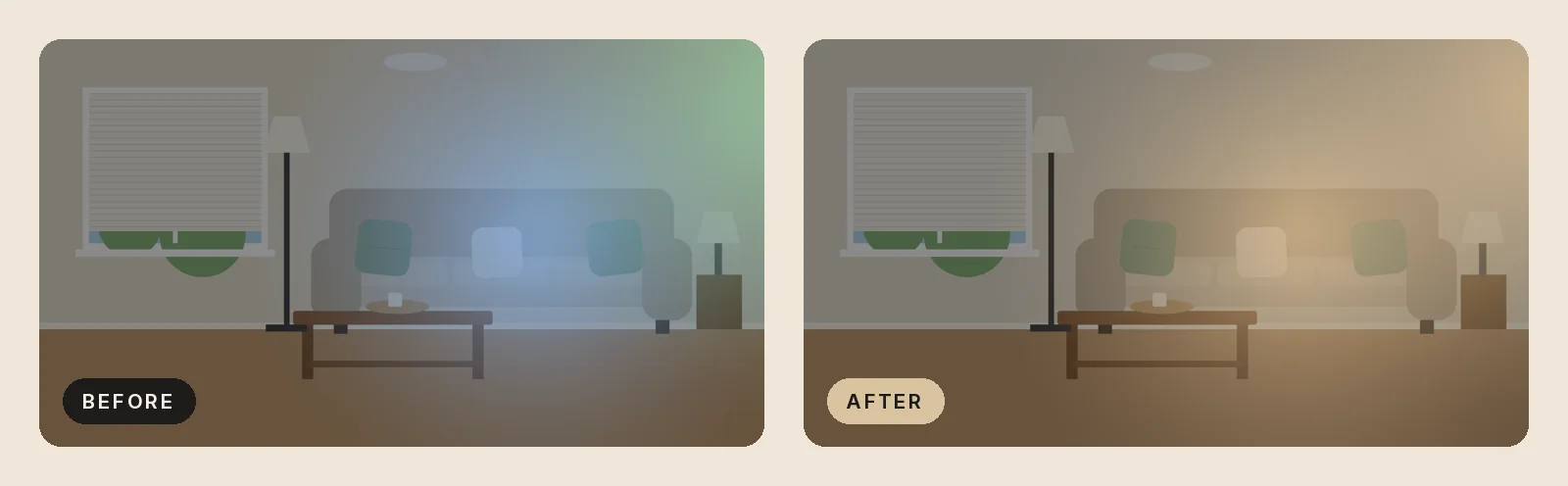 Illustration, not an actual home.
5. Clean up the front entrance
Your home’s first impression begins before a buyer walks through the door.
Sweep walkways, clean the front door, remove cobwebs, trim overgrown plants, and consider refreshing mulch where needed.
Check small maintenance items such as exterior lights and the doorbell.
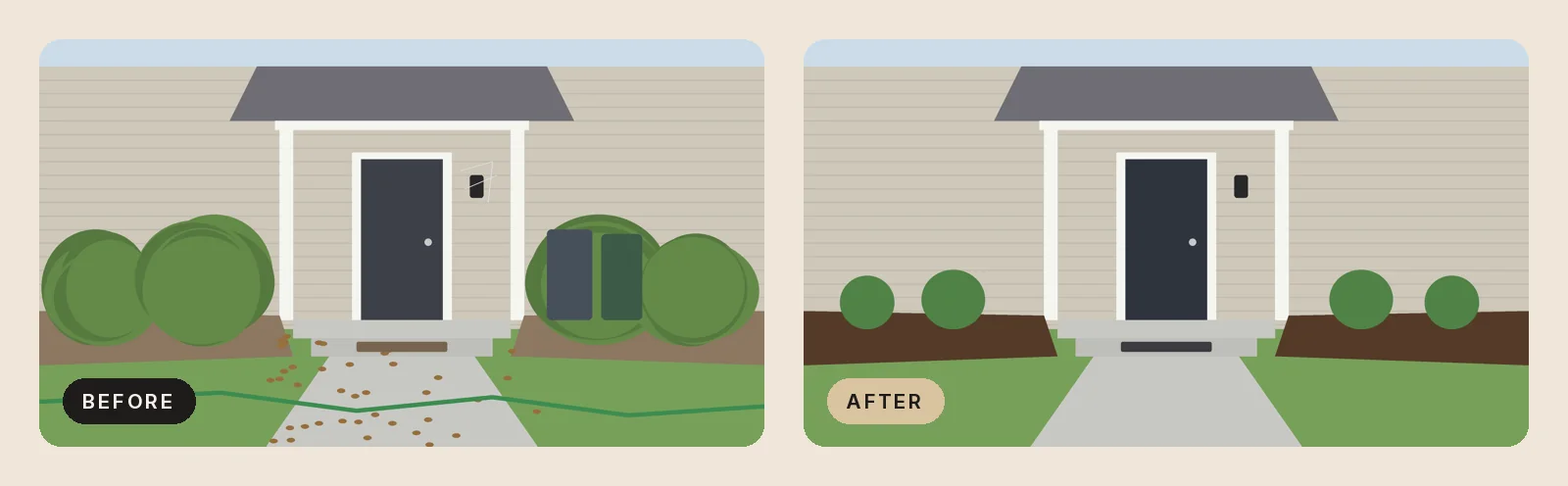 Illustration, not an actual home.
6. Consider updating cabinet hardware
If cabinets are structurally sound but their hardware looks worn, replacing knobs or pulls may be worth considering.
Measure existing screw-hole spacing before purchasing replacements.
Avoid creating unnecessary work by drilling new holes unless the improvement genuinely warrants it.
7. Use area rugs selectively
An area rug can help define a seating space and add warmth.
However, rugs aren’t always necessary.
If your flooring is attractive, showing it off may be the better option.
Remove stained, worn, or poorly sized rugs that distract from the room.
8. Add a little greenery
A plant or simple arrangement can bring warmth to a room.
Real or artificial greenery can work, provided it looks clean and suits the space.
Avoid overcrowding countertops and shelves.
9. Refresh the doormat
A clean doormat can help the entrance feel more welcoming.
But don’t stop there.
Take a photo of the front of your home and look for anything distracting, including trash bins, garden hoses, tools, or clutter.
Removing those items may matter more than purchasing a new mat.
10. Organize closets and storage areas
Buyers want to understand how much storage a home offers.
Declutter closets, pantries, and garages so those spaces feel functional and accessible.
Storage bins can help, but there’s no need to buy expensive matching containers.
The objective is organization, not decoration.
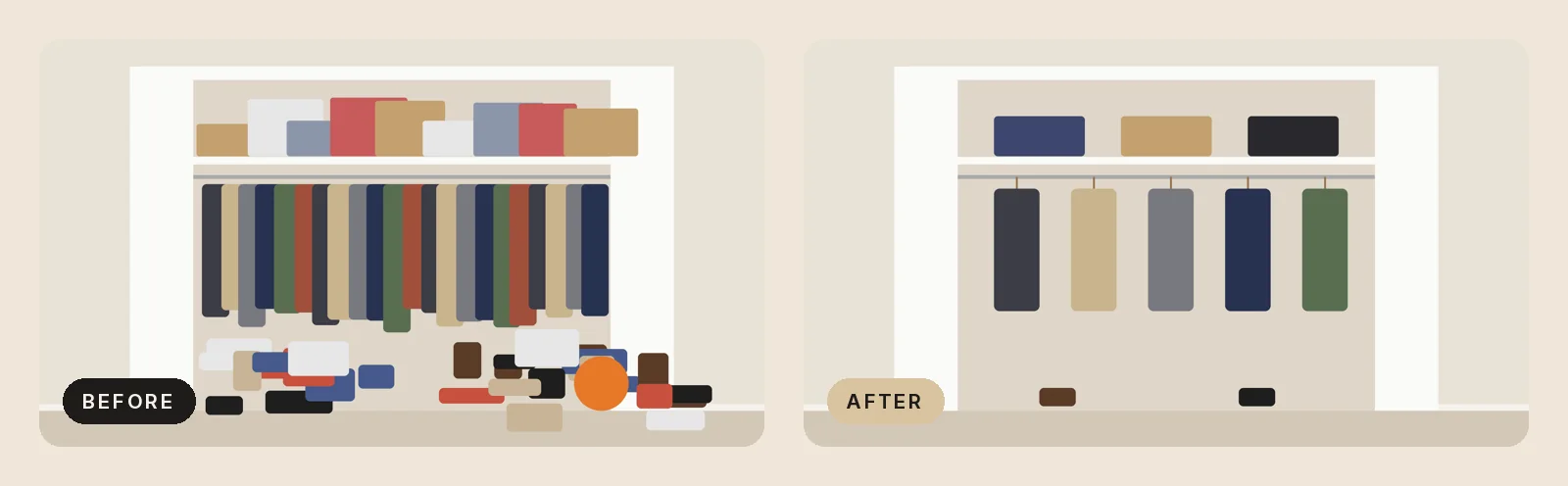 Illustration, not an actual home.
What if you only have $100?
Start with the biggest distractions.
If the home is already clean and maintained, a limited staging budget might go toward fresh bathroom towels, replacement bulbs, or improving the entrance.
But don’t assume every house needs the same purchases.
A thorough cleaning and thoughtful decluttering may accomplish more than buying new accessories.
Cleaning, staging, and renovating are different
Cleaning removes dirt and improves the home’s overall appearance.
Staging helps buyers understand how a space functions and how it might feel to live there.
Renovating changes the property itself.
Each serves a different purpose.
Before spending money, determine which problem you’re actually trying to solve.
Get the free Seller’s Playbook
If you’re planning to sell, my free Seller’s Playbook walks you through how to evaluate improvements, compare your home with competing listings, and prepare for the market without unnecessary spending.
GET THE FREE SELLER’S PLAYBOOK
Selling in Green Bay or Northeast Wisconsin? I can also help you determine which improvements make sense for your specific home.